Mascots Are Back. For Us, They Never Left.
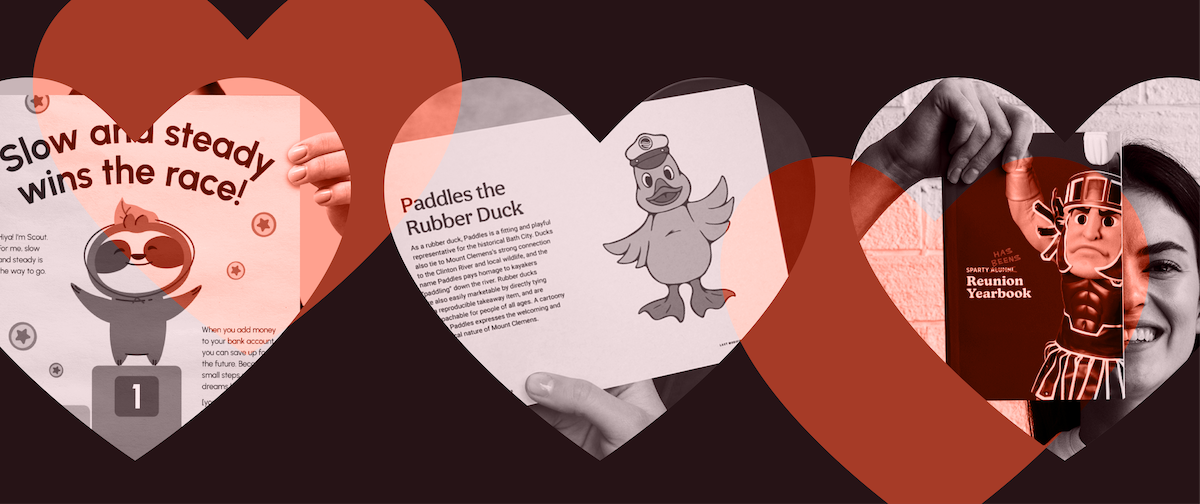

Today, September 16, is Sparty’s birthday. A grand occasion that prompted an ever-present rabbit hole conversation at our weekly production meeting about the renewed interest in brands putting memorable characters front and center.
We’ve seen a resurgence of mascots, cartoons, and puppets in advertising this decade and of recent. There’s the tried-and-true Duolingo owl, and — love them or hate them, but probably hate them — Liberty Mutual’s LiMu Emu and new yellow puppet blob. Annoying? Absolutely. Effective? Even moreso. In 2025 research from MarketCast, LiMu Emu and Doug performed 18% above the norm when it comes to audiences correctly attributing an ad to its brand. In recent years, and even months, we’ve seen lovable little characters take their rightful place in the spotlight.
But for those who lived (nay, thrived) through the 90s, the mascot resurgence feels a little familiar. Michigan audiences (well, the Real Ones anyway) will remember a slurry of nostalgic branded creatures: the Lansing Board of Water and Light’s Louie the Lightning Bug, Granger’s Captain Curby the Trash Bin, Chartwells’s Pyramid Pete and the crew, the Lansing Lugnuts’s Big Lug (and Ratchet. #FreeRatchet). Beyond our local bubble, there were enough cereal characters, fast-food figures, and sports mascots to populate a small cartoon universe.
Still, why did mascots choose now to stage their timely comeback?
It could signal a reaction to a very digital, AI-saturated marketing landscape. We’re craving recognizable, often analog characters with personality. Something that feels human, even when it very much is not. A mascot can give a brand a face, a voice, and a little room to have fun. And today, that levity is much-needed.
Research backs this up. A study of 351 young consumers found a significant relationship between mascot use, brand recognition, and brand recall. Sparty offers a pretty compelling example: the Michigan State University mascot makes more than 500 appearances a year, from athletic events to weddings and community celebrations. Rather than just a representation of the brand, he is the brand, and offers a unique opportunity for the audience to demonstrate and celebrate their inherent brand affinity. He is an immediate mental image, with a ridiculously high approval rating. (Ranked #2 Best College Mascot in 2026, but who’s counting?)
Of course, creating a mascot just for the sake of seizing this moment is not the strategy. As reluctant as I am to admit it, “because it’s fun” isn’t a strategic reason. (Trust me, I’ve tried it.) The best mascots are anti-nihilistic; they have a reason to exist. They fill a need, resonate with a new audience, and play a calculated role for brand recognition.
Here’s a look back at some of the strategy-driven mascots Redhead has supported or created over the years:
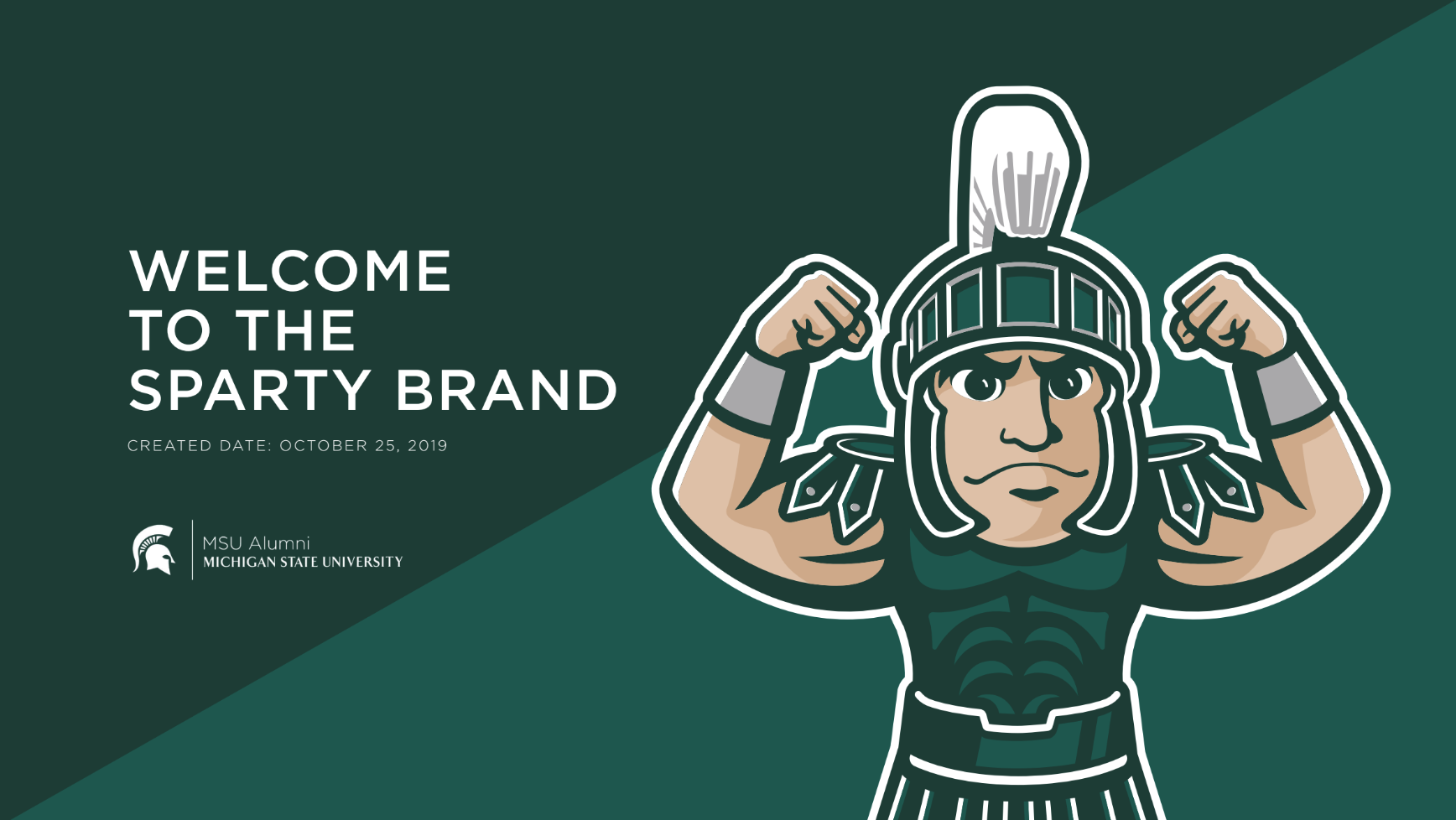
The Sparty Brand Book
Once upon a time, our long-standing partner, MSU Alumni, reached out to us to create a brand book for Sparty. The project gave us the chance to think about Sparty as more than a recognizable character, and a critical part of the MSU brand. We codified rules for how his visual brand should be used, while also defining how Sparty talks, behaves, and shows up in the world. The result was a brand book written entirely in Sparty’s bro-ey voice, which made for a particularly entertaining exercise in brand strategy.

Scout the Sloth: CEDAM and the Michigan Children’s Savings Account Network
When creating marketing materials for programs in the Michigan Children’s Savings Account Network, a coalition led by the Community Economic Development Association of Michigan (CEDAM), we sought a way to resonate with younger audiences and their families. We needed to express a mature topic (financial literacy, postsecondary education attainment, and saving) in a way that would pop for someone who is, say, five years old. Thus, Scout the Sloth was born. As a sloth, he represents the power of slow and steady savings over time, and adds an element of recognition (and just plain cuteness) to a topic that can sometimes lean on the technical side.
As a design element within the Network’s Communications Toolkit, programs across the state can customize and use Scout in their own outreach materials, giving the network a consistent, recognizable character. (His design files even come in numerous poses, expressions, and color combinations.)
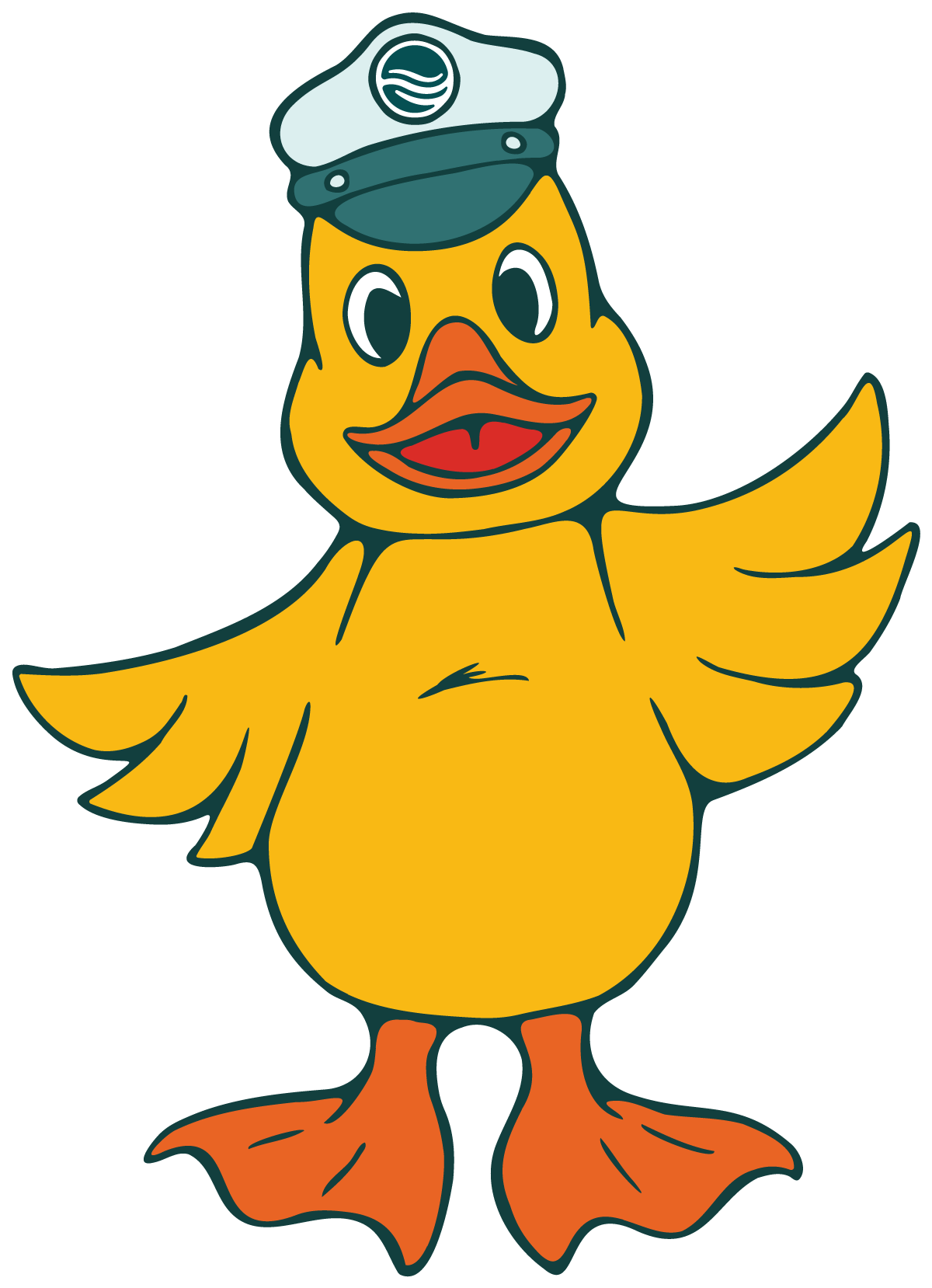 Paddles the Rubber Duck: City of Mount Clemens
The City of Mount Clemens is known as the Bath City, tied to its historic mineral bath industry. So, when we worked on a branding project for the city, you know we just had to incorporate a rubber duck. Paddles is a fittingly playful nod to this historic tidbit, while also connecting to the area’s local wildlife, the Clinton River, and the kayakers who “paddle” its waters. Strategically, he was intended to provide a highly visible extension of the city’s brand at various community events and on branded merchandise. Announce that Paddles is going to be there for a photo opp? The people will flock. Put Paddles on a sticker, shirt, or — in an existential, meta twist — an actual rubber duck? Suddenly it’s the must-have item of Macomb County. That’s the power of Paddles.
Real opportunity exists with mascots. Done well, they evolve into a recognizable, repeatable way for a brand to tell its story, connect with people on a personal level, and — occasionally — be a little weird. And honestly? We could probably use a little more of that.